




Advertisement
Advertisement
When discussing bedroom activities, many of us tend to be discreet.
However, it seems there's a specific group of medical professionals who claim to be quite informed about our intimate secrets—particularly regarding oral sex.
Yes, we're talking about dentists, hygienists, and orthodontists.
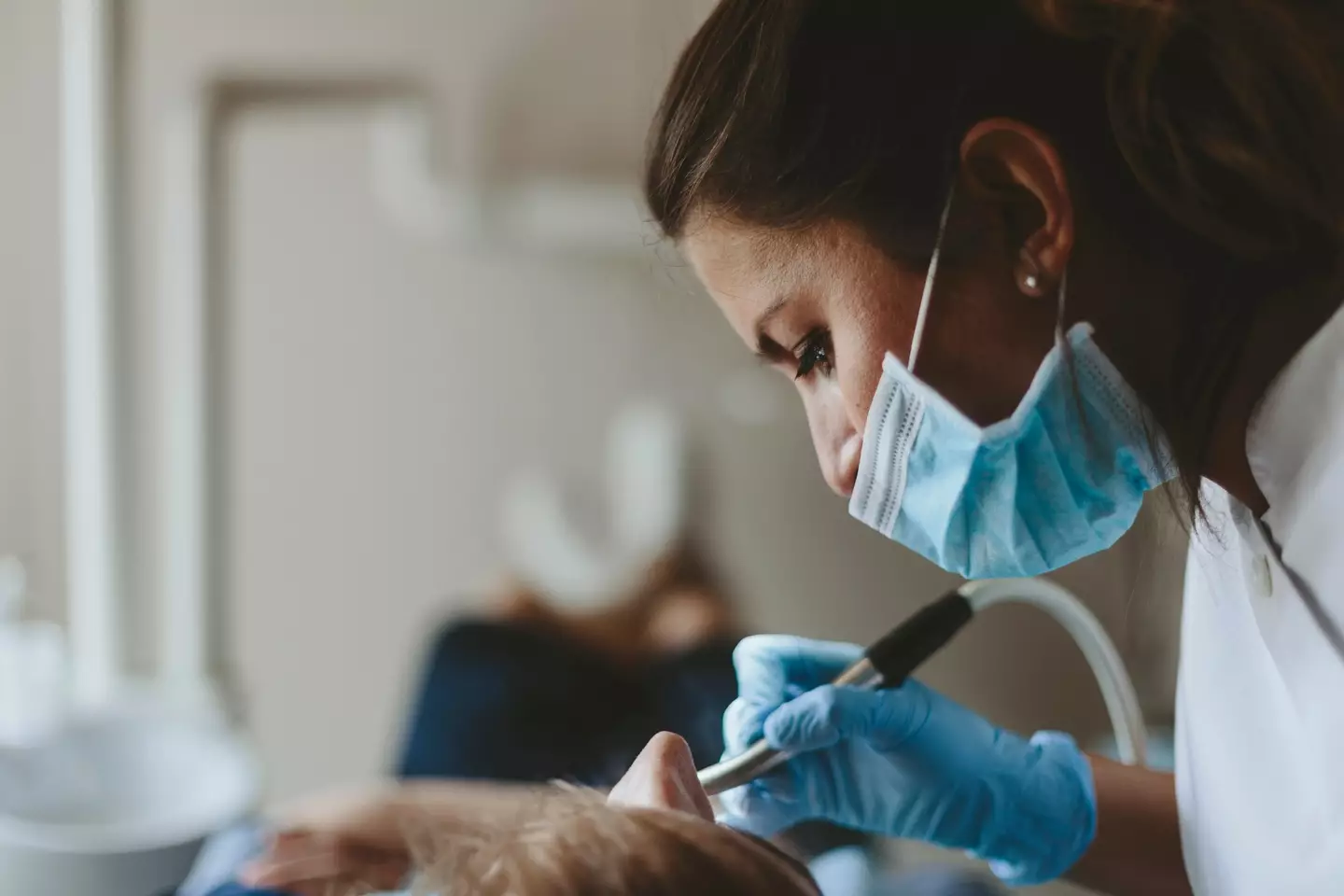
In a recent interview, a healthcare worker disclosed that she and her colleagues often have a good idea of their patients' sexual preferences, including how frequently they engage in oral activities.
Advert
But how do they know? Apparently, there's a specific indicator—a 'fun fact', as our medic describes it.
"How can your dental provider tell if you've engaged in oral sex?" Dr. Britany Baker recently asked her Instagram followers in a viral video, revealing the answer: "Palatal petechiae."
After performing oral sex on someone with a penis, the mouth can show distinct tissue changes lasting up to three days after the activity.
Advert
Specifically, these changes appear as a rash of small reddish-purple spots at the back of the mouth.
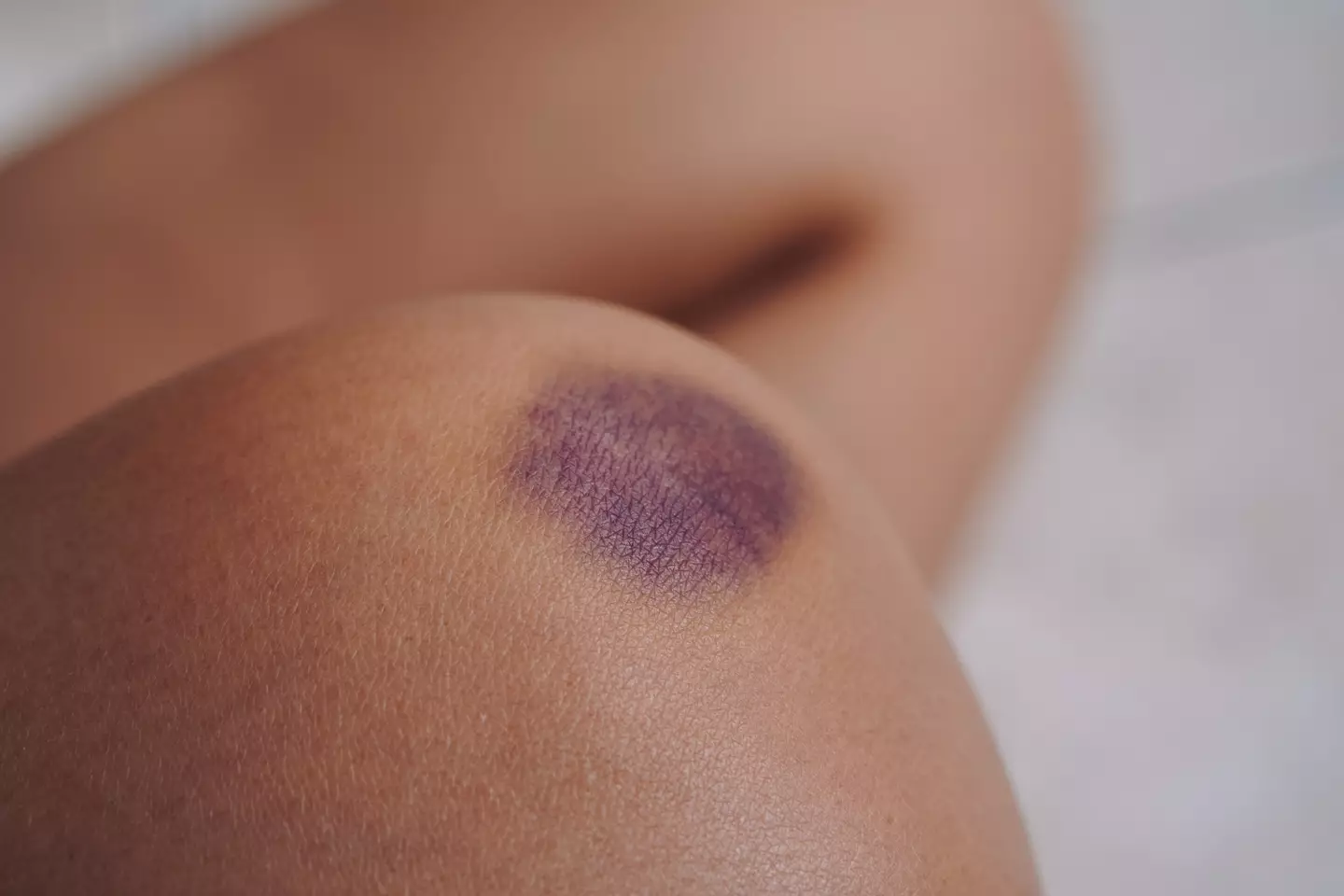
Known in the dental field as 'palatal petechiae', this condition involves bleeding beneath the tissue, similar to how bruises form elsewhere on the body.
"It's basically a hickey on the roof of your mouth," Dr. Murphy elaborated.
While oral sex isn't the sole cause, she noted—illnesses like Covid-19, strep throat, or glandular fever can cause similar bruising—it's often the main suspect.
Advert
The condition is caused by something hard repeatedly or aggressively hitting the back of the mouth, combined with the pressure of a sucking action, which causes blood to rush to the area more intensely.
Another dentist, Dr. Huzefa Kapadia, recently commented on this revealing insight, claiming on TikTok that he can often assess the intensity of the oral sex.
"If there's repeated abrasion in that area, we can tell," he explained. "Everyone is different; I can't guarantee that if you had it the night before, it will show up at your dental exam.
Advert
"It all depends on how vigorous the action was and how sensitive you are. Some patients bruise easily, while others may not bruise at all."
In most cases, these marks heal on their own and only need further investigation if they persist, as this type of bruising can be linked to blood disorders or cancer.
That being said, if your intimate activities coincide with your next dental check-up, it might be wise to delay oral sex until after your appointment to avoid any awkward moments with your hygienist.

Advertisement
Advertisement
Advertisement


