




Advertisement
Advertisement
Drinking alcohol has long been linked with a variety of unpleasant side effects, such as severe headaches, intense nausea, and the unsettling worry of asking friends, 'Did I do anything strange last night?'.
For some individuals, however, alcohol consumption at any level can cause a noticeable and rapid flushing of the face.
Scientists estimate that this reddening of the cheeks, forehead, and chin affects around 540 million fans of alcohol, and it has remained somewhat of a mystery.
Fortunately, a team of experts has dedicated several years to exploring how exactly alcohol leads to flushing, discovering that it poses a significant health risk in addition to being a nuisance for your night-out appearance.
Advert

When alcohol is ingested, the liver processes it, converting it into a compound known as acetate. The body can handle this compound efficiently and safely.
However, before reaching this stage, the alcohol passes through an intermediate substance called acetaldehyde. Most people's bodies can convert this into acetate, thus eliminating it.
For some individuals, this process is hindered because their bodies lack the enzyme necessary to break down acetaldehyde.
Advert
As a result, the toxic compound lingers in the system longer, leading to several side effects, with facial flushing being the most prominent.
The increase in acetaldehyde triggers a histamine response, causing the blood vessels in the face to dilate and redden.
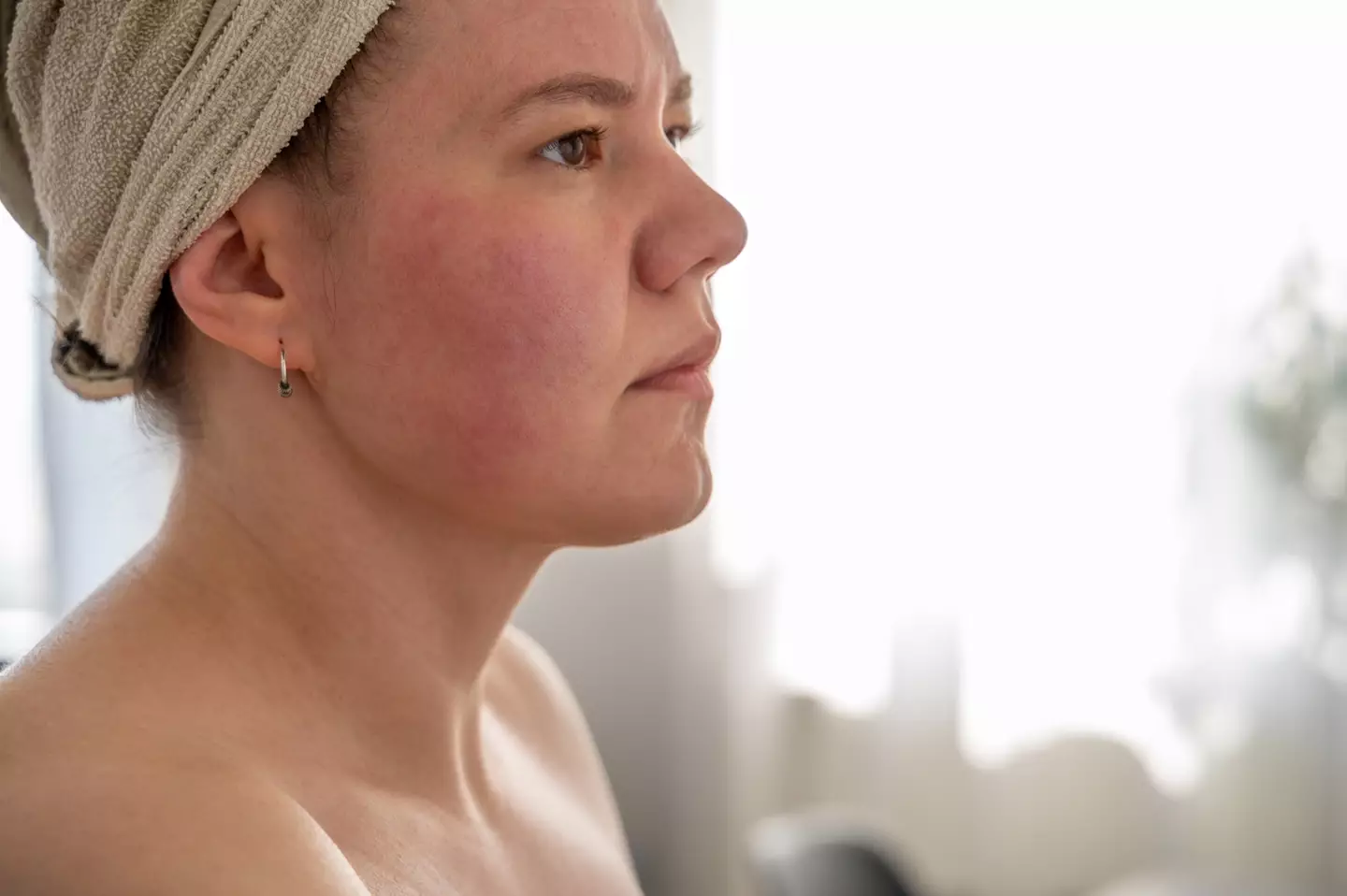
As per ZBiotics, for some individuals, this unwanted drinking symptom is accompanied by a rapid heart rate, possible headaches, or nausea.
Advert
In addition to the short-term effects of elevated acetaldehyde levels, scientists have been examining the long-term consequences of the process causing flushing. Apparently, the toxicity of this chemical is linked to chronic health issues, including high blood pressure, cancer, and liver disease.
Doctors have stated that the only definitive way to prevent this acetaldehyde buildup is to abstain from drinking altogether.
This follows a study conducted by the University of Sussex, which found that people who abstained from alcohol for the entire month of January ('Dry Jan') experienced significant health and wellbeing improvements lasting up to six months.

Advertisement
Advertisement
Advertisement


